Concrete is durable, but it isn’t indestructible. Over time, soil movement, weather exposure, and everyday wear can cause even well-installed concrete to crack, sink, and crumble. When the damage goes beyond repair, professional concrete replacement can restore both function and appearance to your worn surfaces.
What Types of Concrete Surfaces Can Be Replaced?
Concrete replacement isn’t limited to large structural elements. Nearly any flatwork or slab around your property can be replaced. Some of the most common surfaces we replace are the ones used often and subjected to the most weight. This includes:
- Driveways and garage floors
- Sidewalks and walkways
- Patios and pool decks
- Steps and stoops
- Basement slabs and interior floors
But again, virtually any concrete surface can be replaced, if needed.
How Do You Know It’s Time to Replace Concrete?
Not all concrete damage requires replacement. However, there are clear signs that indicate a slab has reached the end of its lifespan.
Severe Cracking
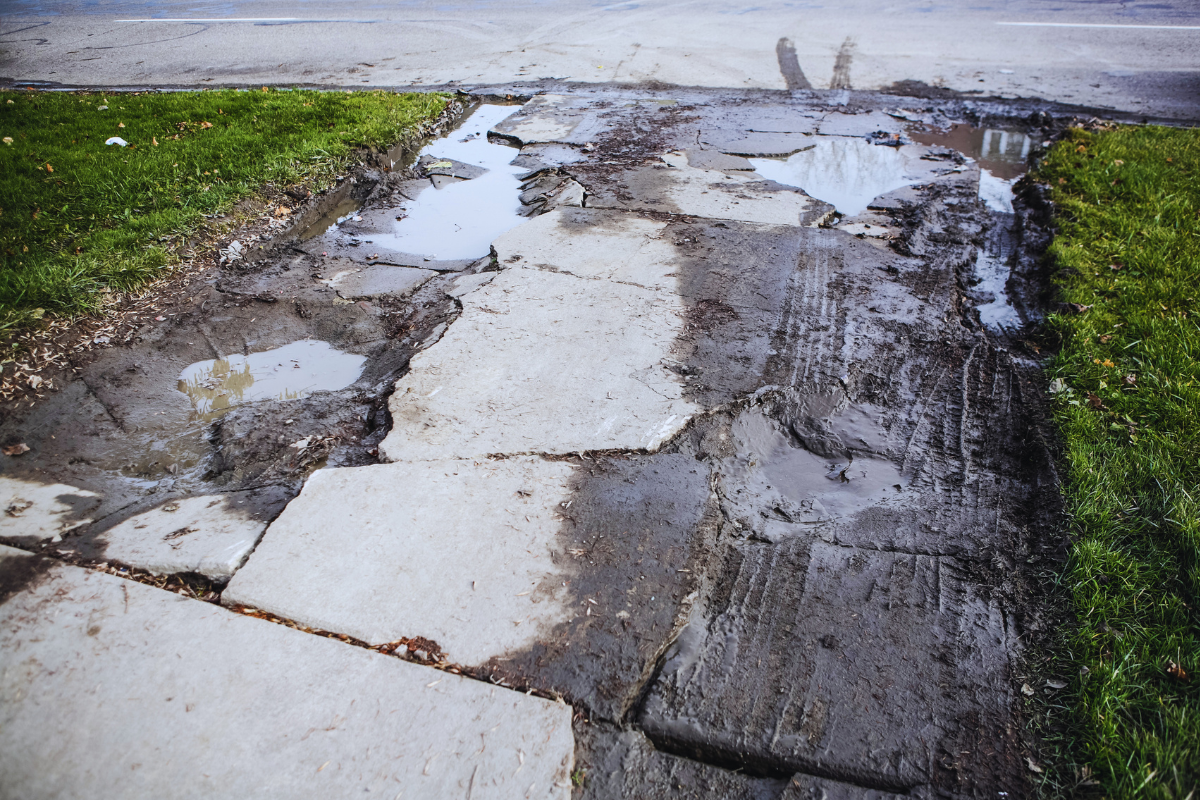
Widespread cracking, especially cracks wider than ½ inch or those with vertical displacement, often signals structural failure rather than superficial damage. When multiple cracks appear across the slab or continue to worsen over time, patching becomes a temporary fix rather than a solution.
Chipping, Crumbling, And Sinking
Severe spalling (chipping or flaking), deep surface deterioration, or concrete that is crumbling underfoot also usually means replacement is needed. Additionally, slabs that have settled or sunk unevenly due to soil movement or erosion often require full replacement if the base cannot be reliably stabilized.
Other Signs It May Be Time To Replace Concrete
Uneven concrete may not be immediately apparent, but homeowners might notice things like pooling water, poor drainage toward the foundation, or find themselves suddenly tripping over a concrete surface. These are all indications that warrant an inspection of both the foundation and the concrete.
What Causes Concrete to Settle and Crack (Especially in Columbus, OH)?
In Central Ohio, concrete problems are rarely caused by the concrete itself; rather, they originate from the soil beneath it.
Columbus is known for its clay-heavy soil, which expands when wet and shrinks when dry. This constant movement places stress on rigid concrete slabs and leads to sinking and cracking over time.
Freeze–thaw cycles further accelerate the damage. Water seeps into small pores or cracks, freezes, and expands, creating internal pressure that eventually fractures the concrete.
Seasonal moisture changes also contribute to settlement. Heavy rain and snowmelt can wash soil away, while drought conditions cause soil to shrink and pull away from the slab. These processes create voids underneath the concrete, leaving it unsupported and prone to sinking.
Poor drainage, improper compaction during installation, and even nearby tree roots can compound these issues.
Concrete Replacement vs. Lifting: Which Is Better?
Concrete lifting (also known as leveling or slab jacking) is often a good solution, but only under the right conditions.
Lifting works best when the concrete is still structurally sound and the primary issue is minor settling. In these cases, material is injected beneath the slab to raise it back into position. It is faster than full replacement, as it does not require demolition of the existing concrete and needs less cure-time.
However, lifting does not address issues like cracking, chipping, or deep settlement. In these instances, replacement is the better option. Unlike lifting, replacement allows contractors to fully correct underlying issues, rebuild the base, and install a new slab designed for current conditions.
While replacement is more involved, it delivers a completely new surface with a longer lifespan and greatly improved structural integrity.
What Is The Concrete Replacement Process?
Professional concrete replacement is a detailed, multi-step process designed to ensure long-term performance.
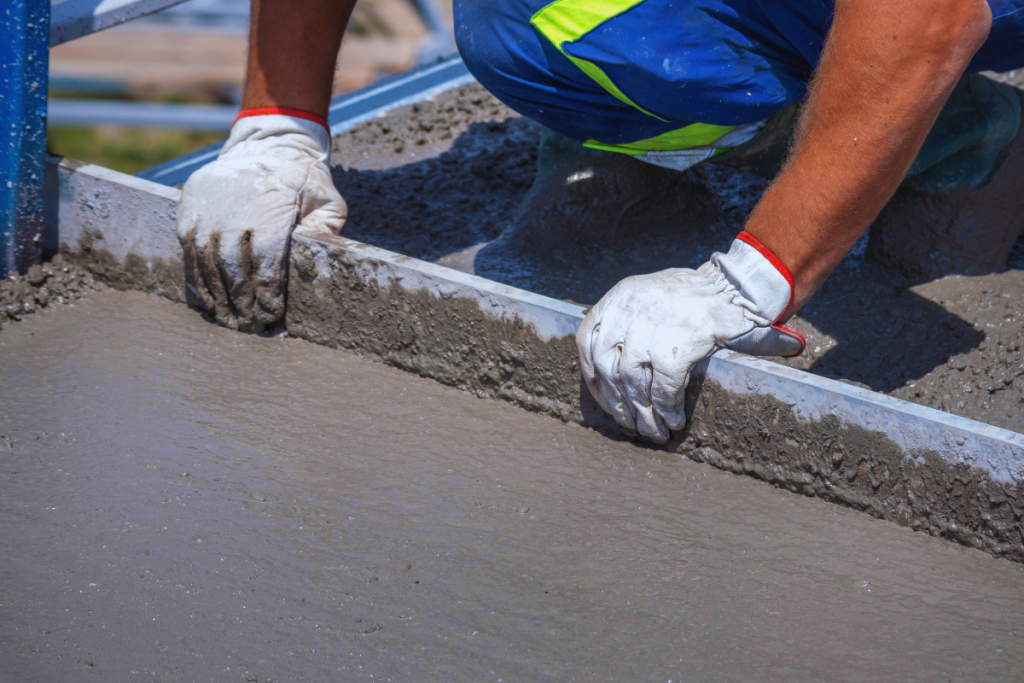
It begins with an inspection and planning phase to assess damage, evaluate soil conditions, and determine proper materials. Once the project begins, the existing concrete is broken up, removed, and hauled away.
Next comes subgrade preparation, which is arguably the most critical part of the process. Contractors regrade the area, compact the soil, and install a stable base layer (usually gravel or crushed stone) to prevent future settling.
Forms are then set, reinforcement may be added, and fresh concrete is poured and finished according to the project’s design. Proper slope and drainage are built into the installation to protect the home and surrounding structures.
How Soon Can You Use New Concrete?
Concrete doesn’t reach full strength overnight, but it becomes usable relatively quickly.
In most cases, foot traffic is safe within 24 to 72 hours, while vehicle traffic typically requires about 5 to 7 days. Full curing, which allows the concrete to reach its maximum strength, can take several weeks depending on weather conditions and mix design.
Following proper curing guidelines is very important to prevent premature cracking and ensure long-term durability. Your concrete specialist will give you detailed instructions for how to care for your new surface in the weeks following replacement.
Why You Shouldn’t Pour New Concrete Yourself
While DIY concrete projects may seem tempting, replacing concrete is best left to professionals. If you miss even one step of proper procedure, you risk your slab failing prematurely or, worse, a compromised foundation due to incorrect grading or drainage issues. What might have saved you money at first can lead to very expensive repairs later on.
Professional contractors have specialized equipment to ensure uniform thickness, proper reinforcement placement, and correct finishing techniques-all factors that directly impact strength and longevity. Furthermore, your concrete professional will ensure all necessary permits are obtained to avoid legal issues with your new surface.
Why Work With a Foundation Repair Specialist For Concrete Replacement?
When concrete problems are caused by soil movement or foundation-related issues, as they often are in Columbus, it is important to address the root cause, not just the surface.
A foundation repair specialist understands how expansive clay soil, moisture changes, and drainage issues affect structural stability. They can evaluate whether underlying problems, such as soil washout, poor compaction, or foundation movement, need to be corrected before new concrete is installed.
This ensures that replacement isn’t just cosmetic, but a long-term fix that prevents recurrence. In many cases, combining foundation stabilization with concrete replacement delivers the most reliable results.
Your Columbus Concrete Replacement Experts
Concrete replacement is more than an upgrade: it’s an opportunity to correct underlying issues and extend the life of your property’s exterior surfaces. While repairs or lifting may work in some cases, full replacement provides a clean slate when the damage is extensive. By working with experienced professionals, especially those familiar with Columbus’s challenging soil and climate conditions, you can ensure your new concrete is built to last for decades. Contact US Basement Repair today for a free estimate and get your surface ready for summer.