A dry basement is essential for protecting your home’s structure, indoor air quality, and long-term value. One of the most important components of basement waterproofing is the vapor barrier. While many homeowners focus on sump pumps or exterior drainage, moisture vapor moving through basement walls can cause just as much damage over time. Installing a proper basement wall vapor barrier is a critical step in keeping your basement dry, safe, and functional.
What Is a Vapor Barrier, and What Does It Do?
A vapor barrier is a durable material designed to prevent moisture vapor from passing through walls, floors, or ceilings. In basements, vapor barriers are most commonly installed along foundation walls to block moisture that naturally moves through concrete and masonry. Even when basement walls look dry, they can still allow water vapor to seep inside. A basement wall vapor barrier:
- Prevents moisture vapor from entering the basement
- Reduces condensation on walls and insulation
- Helps prevent mold and mildew growth
- Improves indoor air quality
- Protects finished basement materials like drywall and flooring
Do All Homes Need a Basement Wall Vapor Barrier?
Not every home needs a basement wall vapor barrier, but many do, especially in areas with high humidity, clay soil, or frequent rainfall. Homes with older foundations or unfinished basements are particularly vulnerable to moisture intrusion. A professional inspection can determine whether a vapor barrier is necessary as part of your basement waterproofing solution. But you may benefit from a vapor barrier if:
- Your basement feels damp or musty.
- You notice condensation on the walls.
- You plan to finish or remodel your basement.
- Your home is in a moisture-prone climate like Central Ohio.
What Happens To Basement Walls Without A Vapor Barrier Over Time?
Without a vapor barrier, moisture vapor continuously moves through the basement walls. Over time, this can lead to:
- Mold and mildew growth behind walls
- Peeling paint or efflorescence (white, chalky residue)
- Rotting wood framing
- Rusted metal components
- Poor indoor air quality
- Increased humidity throughout the home
- Weak foundation
Where Should a Vapor Barrier Be Installed on Basement Walls?
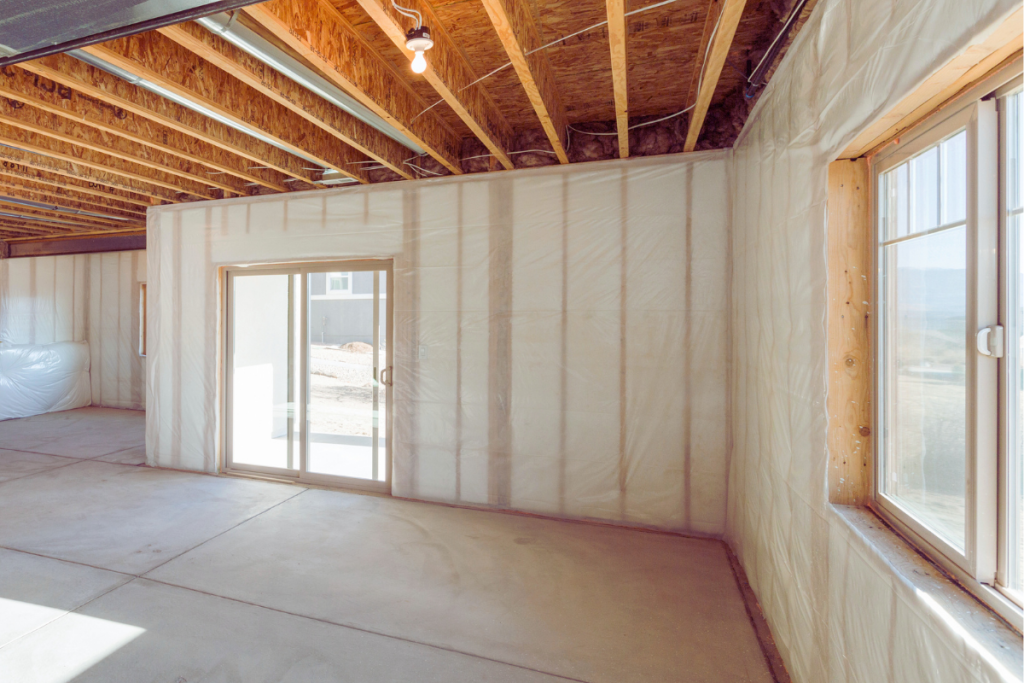
A basement wall vapor barrier is typically installed directly against the interior foundation walls. In many waterproofing systems, it runs from the top of the wall down to the basement floor, directing moisture into a drainage system or sump pump. Proper installation is very important, which is why professional installation is recommended over DIY solutions (more on this next).
Can a Vapor Barrier Be Installed in an Existing Basement?
Yes, a vapor barrier can be installed in an existing basement. In fact, most vapor barrier installations are retrofits rather than new construction projects. Whether your basement is unfinished or already partially finished, experienced waterproofing professionals can assess the space and install a vapor barrier with minimal disruption. This makes it an excellent solution for homeowners dealing with persistent dampness or planning future basement renovations.
How Do You Know If Your Basement Has a Moisture Problem?
Some moisture issues are obvious, while others are more subtle. Even if you don’t see standing water, moisture vapor alone can cause serious problems. Signs your basement may have a moisture problem include:
- Musty or earthy odors
- Visible mold or mildew
- Damp or stained walls
- Peeling paint
- Warped flooring or baseboards
- High indoor humidity levels
When Is the Right Time to Install or Replace a Basement Vapor Barrier?
The best time to install or replace a vapor barrier is before moisture damage becomes severe. Replacing an old or damaged vapor barrier can significantly improve basement conditions and prevent more expensive repairs down the line. Ideal times include:
- When fully waterproofing your basement
- Before finishing a basement
- During foundation repairs
- When upgrading insulation or HVAC systems
- After noticing recurring moisture issues
Can You DIY A Vapor Barrier?
While the concept is simple-cover exposed soil or surfaces to block moisture-the execution is detail-heavy. Mistakes like gaps, poor sealing, or incorrect material choice can significantly reduce effectiveness or even worsen moisture problems. This is why it is best left to the professionals, who can also identify other areas of concern in your basement.
Why It’s Better to Have a Vapor Barrier Professionally Installed
Proper Diagnosis
A professional doesn’t just install plastic: they identify the root cause of moisture problems and ensure a vapor barrier is the right solution.
Attention to Hidden Issues
Experienced installers often notice problems homeowners miss, such as:
- Early signs of mold or rot
- Insufficient insulation
- Drainage or grading issues
- Structural concerns or pest activity
Addressing these at the same time can prevent costly repairs later.
Correct Materials & Techniques
Professionals use:
- Thicker, longer-lasting materials
- Proper sealing methods
- Industry best practices
This results in better durability and performance.
Safety & Efficiency
Crawl spaces and basements can be hazardous due to:
- Confined spaces
- Mold exposure
- Low clearance or sharp debris
Professionals are trained and equipped to work safely and efficiently.
What To Expect: Steps Involved in Vapor Barrier Installation
Site Inspection & Moisture Assessment
Before anything is installed, the area must be evaluated for:
- Existing moisture or standing water
- Drainage issues
- Mold or mildew
- Structural concerns
This step is extremely important, as a vapor barrier alone won’t fix underlying water problems.
Cleaning and Preparation
The space must be properly prepped. This involves:
- Removing debris, rocks, and organic material
- Leveling the ground if needed
- Addressing sharp objects that could puncture the barrier
Repairing Existing Issues
Any visible problems should be handled first, such as:
- Active water intrusion
- Mold growth
- Damaged insulation
- Minor foundation cracks
Skipping this step can trap moisture and cause bigger issues later.
Installing the Vapor Barrier
- Heavy-duty polyethylene sheeting is laid across the ground or walls
- Seams are overlapped and sealed tightly
- The barrier is extended up foundation walls and secured
- Piers, posts, and penetrations are carefully sealed
Precision matters here, because even small gaps can allow moisture to escape.
Sealing & Securing
The barrier must be properly anchored to walls and supports and inspected for punctures or loose areas. Seams must be taped/sealed.
Optional Enhancements
In some cases, professionals may recommend additional waterproofing to protect your space. For example, improved drainage/ventilation or a dedicated dehumidifier.
Basement Waterproofing Columbus, OH
If you’re dealing with moisture issues or want to protect your home long-term, US Basement Repair can help. Our team specializes in comprehensive basement waterproofing solutions, including professional vapor barrier installation. Contact us for a free estimate on basement waterproofing in Columbus, OH.